
Madhubani Painting Kit: Explore Traditional Indian Art and Creative Ideas
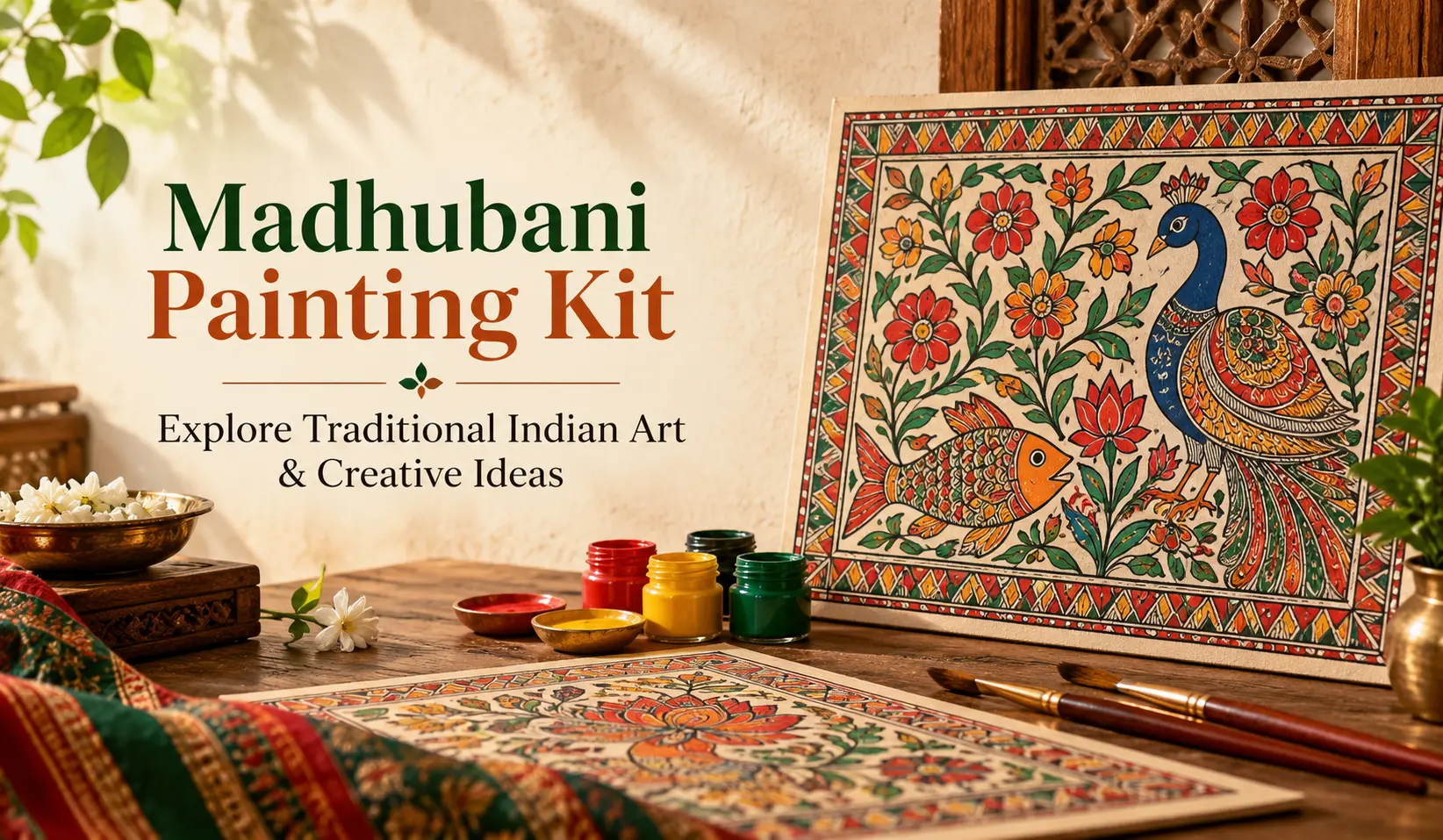
Discover the Beauty of Madhubani Painting
Indian folk art celebrates the country’s rich cultural heritage through vibrant colours, intricate patterns and meaningful stories. Among these traditions, Madhubani painting kit out for its distinctive outlines, nature-inspired motifs and detailed compositions. Originating in the Mithila region of Bihar, this art form has evolved from traditional wall paintings into artwork created on paper, fabric and canvas.
A Madhubani painting kit can be a convenient way to explore this traditional art style through a creative activity. Whether you enjoy drawing, painting or discovering Indian handicrafts, learning about Madhubani art can introduce you to new techniques and design possibilities.
At Craffty Creations, art enthusiasts can explore inspiration from different Indian painting traditions, including Madhubani, Pichwai and Tanjore art. Understanding their distinctive features can help you choose an artistic project, appreciate cultural craftsmanship and discover creative ideas for your home.
In this guide, we explore the history of Madhubani painting, popular motifs, essential materials, beginner-friendly techniques and ways to choose an art kit that suits your interests.
What Is Madhubani painting kit?
Madhubani painting, also known as Mithila art, is a traditional folk art associated with the Mithila region of Bihar. Historically, artists created paintings on the walls and floors of homes for weddings, festivals and other important occasions. Over time, the art form expanded to paper, cloth and other surfaces, making it accessible to wider audiences.
The style is recognised for bold outlines, repeating patterns, bright colours and compositions inspired by nature, mythology and everyday life. Flowers, birds, fish, peacocks, trees and religious figures are common subjects.
Unlike painting styles that depend heavily on realistic shading, many Madhubani compositions use flat areas of colour and detailed patterns to fill shapes. Artists often decorate the background with small motifs, creating a rich and visually connected design.
A Madhubani painting kit can help beginners explore these elements in a manageable project. Depending on the product, it may provide a prepared surface, colours, brushes, outlines or instructions. Always check the actual product description to confirm which materials are included.
Why Choose a Madhubani Painting Kit?
Exploring a traditional art form can be an enjoyable way to learn new skills while appreciating Indian culture. A suitable Madhubani painting kit can make it easier to organise materials and begin a creative project without sourcing every item separately.
A Creative Activity for Beginners
Beginners can start with simple flowers, leaves, fish or geometric borders before progressing to more detailed compositions. Repeating patterns allow you to practise line control, spacing and colour selection gradually.
A kit with clear instructions or a prepared outline may be helpful if you are unfamiliar with the style. However, the level of guidance varies between products, so review the listing before making a choice.
An Opportunity to Explore Indian Folk Art
Learning Madhubani techniques introduces you to a tradition shaped by regional culture and artistic knowledge passed between generations. Its motifs often carry cultural meanings, making the experience about more than simply filling shapes with colour.
A Personalised Creative Project
A Madhubani painting kit may also give you an opportunity to experiment with colour combinations and decorative details. Depending on the design and materials, the completed artwork may be suitable for display, gifting or keeping as a record of your creative progress.
Popular Madhubani Painting Designs and Motifs
Choosing an interesting subject can make your first painting project easier to plan. Madhubani art offers a variety of motifs that can be adapted to different skill levels.
Floral and Botanical Designs
Flowers, leaves, vines and trees are common sources of inspiration. Their repeated shapes work well with Madhubani’s decorative approach, allowing artists to create detailed compositions without relying on realistic perspective.
Beginners can start with a central flower surrounded by simple leaves and a patterned border. As confidence grows, additional petals, lines and background details can be introduced.
Fish and Peacock Motifs
Fish and peacocks are familiar subjects in Madhubani art. Artists may represent them using bold outlines, patterned bodies and decorative surroundings. These motifs offer opportunities to practise symmetry and repeating details.
A simple fish design can be a useful starting point, while a peacock with patterned feathers offers a more detailed project.
Nature and Everyday Life
Madhubani compositions can include animals, plants, scenes from daily life and stories from mythology. These themes reflect the breadth of the tradition and allow artists to explore different subjects.
When selecting a design for a Madhubani painting kit, consider how much detail you want to work with and how much time you can devote to the project.
Geometric Patterns and Decorative Borders
Geometric patterns are another important element of Madhubani art. Repeated lines, dots, curves and small shapes can fill spaces around the central subject and create a cohesive composition.
For beginners, a design with a clear outline and simple border is often easier to manage than one containing many small figures. Start with larger areas and gradually add decorative details.
Essential Materials for Madhubani Painting
The materials required depend on the surface and technique you choose. Traditional artists used natural pigments and simple tools, while contemporary projects may use commercially available paints and brushes.
A Madhubani painting kit may contain some or all of the following materials, depending on the product.
| Material | Purpose |
|---|---|
| Paper, canvas or another prepared surface | Provides the base for the artwork |
| Pencil | Helps sketch the main composition |
| Fine-tip pen or brush | Creates outlines and intricate patterns |
| Paints or pigments | Adds colour to the design |
| Fine and medium brushes | Helps paint small details and larger areas |
| Palette | Allows colours to be mixed when required |
Before buying a Madhubani painting kit, confirm the listed contents and whether you need additional supplies. The surface, paint type and instructions should be suitable for the intended project.
How to Create a Simple Madhubani Painting
A beginner-friendly project can help you understand the basic principles of the style without feeling overwhelmed by intricate details.
Step 1: Choose a simple motif. Start with a flower, fish, bird or tree. Select a design that has clearly defined shapes and a manageable number of details.
Step 2: Prepare your surface. Use the paper, canvas or other surface recommended for your paints. Lightly sketch the main subject if the technique requires it.
Step 3: Create the outlines. Use a suitable pen or fine brush to define the shapes. Allow the outline to dry before adding colour if your materials require drying time.
Step 4: Fill the shapes with colour. Choose a coordinated palette and work carefully within the outlines. Traditional Madhubani compositions often use flat colours and decorative patterns rather than extensive shading.
Step 5: Add patterns and borders. Introduce small lines, dots, leaves or repeated geometric details. Keep the spacing consistent and avoid overcrowding the main subject.
Step 6: Let the artwork dry. Follow the paint manufacturer’s instructions before handling, framing or displaying your finished work.
A suitable Madhubani painting kit can make this process more convenient when its materials and instructions match the project you have chosen.
Madhubani Painting Kit vs Pichwai Art Kit
Madhubani and Pichwai are both associated with Indian artistic heritage, but they have different regional origins, subjects and visual characteristics.
A Madhubani painting kit generally focuses on the bold outlines and patterned compositions associated with Mithila art. A Pichwai art kit, when available, may introduce motifs inspired by Pichwai painting, including lotus flowers, cows and devotional themes associated with Nathdwara.
The right choice depends on the type of artwork you want to explore.
| Feature | Madhubani painting kit | Pichwai art kit |
|---|---|---|
| Artistic tradition | Mithila folk art, Bihar | Nathdwara devotional painting tradition, Rajasthan |
| Common motifs | Flowers, fish, birds, trees and geometric patterns | Lotus flowers, cows, peacocks and devotional scenes |
| Visual style | Bold outlines and detailed pattern fills | Intricate compositions and decorative motifs |
| Project considerations | Pattern complexity, outlines and colour filling | Motif details, composition and decorative elements |
If you enjoy detailed patterns and nature-inspired subjects, Madhubani may be an appealing starting point. If you prefer lotus and cow motifs associated with devotional art, exploring Pichwai painting may be more suitable.
Exploring Tanjore Art Paintings and Canvas Artwork
Indian art includes several other traditions worth discovering alongside Madhubani. Tanjore art paintings, for example, originate from Thanjavur in Tamil Nadu and are known for rich colours, devotional subjects and elaborate decorative details.
Traditional Tanjore paintings may incorporate gold foil and raised embellishments, giving them a different appearance from the patterned outlines commonly associated with Madhubani art.
Meanwhile, canvas and paintings cover a broader range of artistic styles, from contemporary illustrations to traditional Indian motifs adapted for modern interiors. The materials and techniques depend on the specific artwork.
Exploring these styles can help you develop a better understanding of Indian art and identify the subjects that interest you most. If you are considering an art project, check whether the available kit is designed for the painting style you want to learn.
How to Choose the Right Madhubani Painting Kit
Before purchasing a Madhubani painting kit, consider a few practical factors to ensure that the project suits your interests.
First, review the design complexity. A simple floral motif or fish pattern may be more manageable for a beginner than a composition containing many figures and detailed borders.
Next, check the materials. Confirm whether the kit includes the painting surface, paints, brushes and instructions. If any items are excluded, account for the additional supplies you will need.
Consider the project size as well. A smaller surface may be easier to complete in a limited amount of time, while a larger composition offers more room for decorative details.
Finally, review the manufacturer’s recommendations for age, skill level, preparation and care. Product descriptions are the best source for confirming the actual contents and intended use.
Explore Indian Art with Craffty Creations
Madhubani painting offers a meaningful way to explore Indian folk art through vibrant colours, intricate patterns and nature-inspired motifs. Whether you are beginning a new creative hobby or comparing different Indian painting styles, understanding the materials, designs and techniques can help you choose a project that suits your interests.
Explore Craffty Creations to discover available art and craft products and find inspiration for your next creative activity. Check individual product descriptions for details about materials, instructions and suitability before purchasing.
Need Help?
For product enquiries or assistance, contact Craffty Creations.
Phone: +91 9746570175
Email: info@crafftycreations.com
Opening Hours: Monday to Friday, 9:00 AM to 5:00 PM. Saturday and Sunday closed.
Discover the beauty of Indian artistic traditions and explore new creative possibilities with Craffty Creations.
Frequently Asked Questions
1. What is a Madhubani painting kit?
A Madhubani painting kit is a creative set designed to help people explore Madhubani-inspired artwork. Depending on the product, it may include a painting surface, colours, brushes and instructions.
2. Is Madhubani painting suitable for beginners?
Yes. Beginners can start with simple floral designs, fish, birds and geometric borders. More intricate compositions can be attempted as drawing and pattern-making skills improve.
3. What colours are used in Madhubani painting?
Traditional artists used natural pigments from sources such as plants and minerals. Contemporary projects may use acrylic, poster or other commercially available paints, depending on the surface and technique.
4. What is the difference between Madhubani and Pichwai painting?
Madhubani painting is associated with the Mithila region and features patterned outlines, nature-inspired subjects and folk motifs. Pichwai painting is associated with Nathdwara and is known for devotional compositions featuring subjects such as cows and lotus flowers.
5. Can Madhubani-inspired artwork be displayed at home?
Yes. Artwork can be displayed in living rooms, studies or creative spaces, provided the surface and materials are suitable for display. Follow the product’s care instructions to maintain its appearance.
Posts Widget
-
1
-
2

-
3
-
4



Payment Methods

Designed and Developed with ❤️ by team seofox.io