
How to Choose the Perfect Wall Painting for Your Living Room
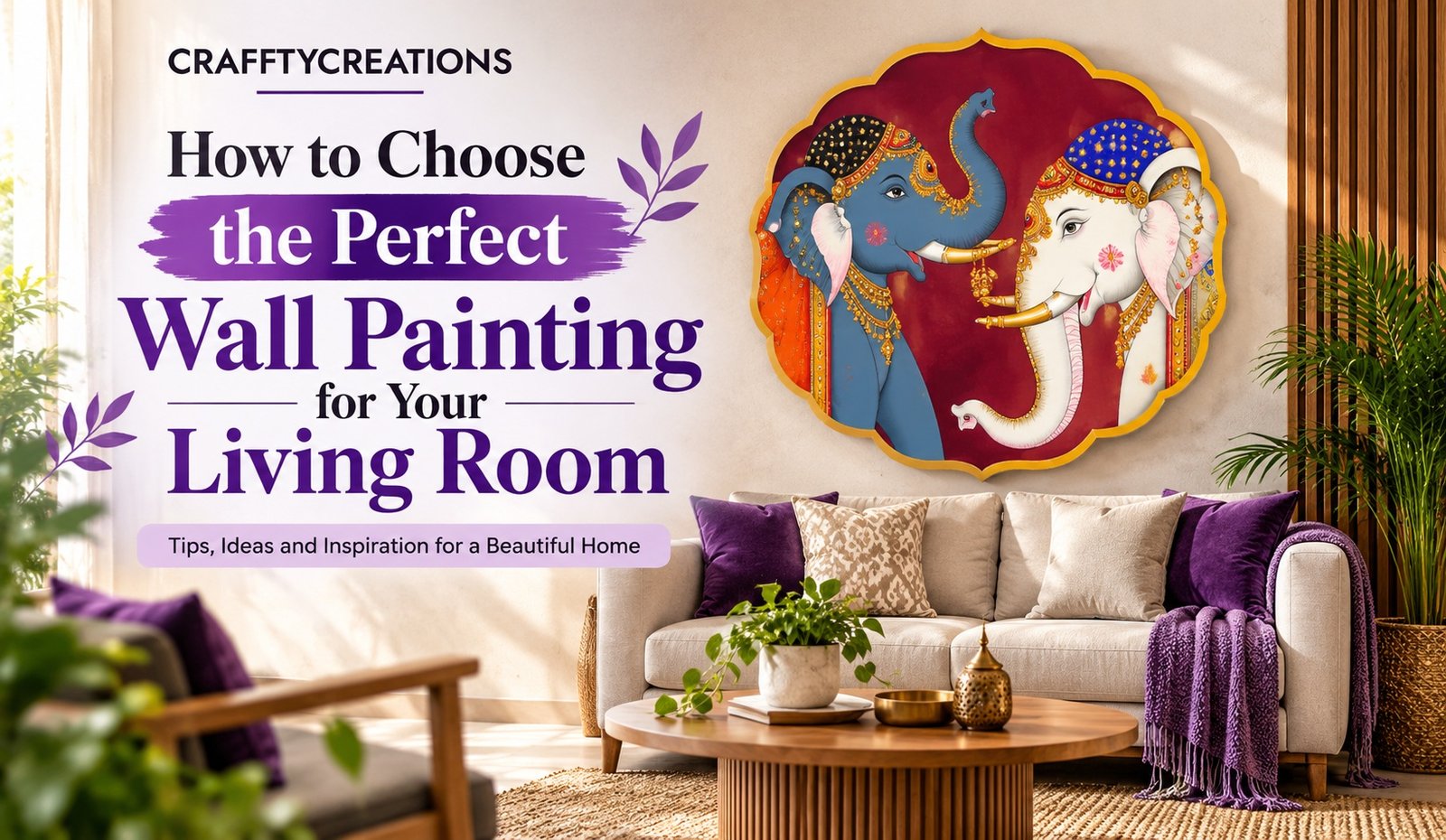
The living room is often the heart of a home. It is where family members spend time together, where guests are welcomed, and where much of everyday life takes place. Because of this, the living room is usually one of the first spaces people think about when decorating their home.
Furniture, lighting, curtains, rugs, and accessories all contribute to the overall appearance, but the walls often have the greatest amount of unused visual space. A carefully chosen wall painting can transform that space and give the entire room a more complete and personal appearance.
Choosing the perfect wall painting, however, is not simply about finding an image you like. The size of the room, wall dimensions, furniture, colors, lighting, interior style, and purpose of the space all influence whether a particular painting will work.
If you are planning a complete home décor project, our complete guide to choosing wall art and home décor for every room provides a broader look at how artwork can be used throughout different spaces.
Why a Wall Painting Can Transform a Living Room
An empty wall can make even a well-furnished living room feel unfinished. Artwork gives that space a visual focus and can bring together different elements of the interior.
A painting can introduce color into a neutral room, reinforce an existing color palette, or provide contrast against furniture and walls. It can also establish the mood of the room.
For example, a peaceful landscape may create a calm atmosphere, while an abstract painting with strong colors can make the room feel more energetic and contemporary.
The best wall painting does not necessarily have to be the most expensive or elaborate one. It simply needs to work naturally with the room around it.
Start with the Wall You Want to Decorate
Before looking at paintings, consider the wall itself.
A large empty wall behind a sofa provides a different opportunity from a narrow wall beside a window or a smaller space above a side table.
Measure the available wall area and consider the furniture positioned underneath or around it. This will give you a better idea of the appropriate size and orientation of the artwork.
Many people choose artwork based only on the image and later discover that it is too small or too large for their intended location.
Understanding the available space first makes the selection process much easier.
Choosing the Right Size of Wall Painting
Size is one of the most important factors when choosing wall art.
A painting that is too small can appear disconnected from the furniture and leave the wall looking unfinished. On the other hand, an oversized painting can dominate the room and make the surrounding décor feel crowded.
When placing a painting above a sofa, console table, or other large piece of furniture, think about the relationship between the artwork and the furniture below it.
The painting should have enough visual presence to feel intentional without overwhelming the furniture.
For particularly large walls, a large statement painting may work well. Alternatively, several coordinated artworks can be arranged together to create a gallery-style display.
Consider the Existing Colors in Your Living Room
Color is one of the easiest ways to connect a painting with the rest of your interior.
Look at your walls, sofa, curtains, cushions, rugs, flooring, and other decorative elements before choosing artwork.
The painting does not have to match these colors exactly. In fact, introducing a contrasting color can make the artwork stand out and give the room more visual interest.
For example, a living room dominated by beige, white, or grey can benefit from artwork containing stronger colors. A room that already contains bright furniture and accessories may work better with artwork using softer or complementary tones.
The goal is to create a relationship between the painting and the room rather than making every element identical.
Choosing a Painting Style That Matches Your Interior
The style of your living room should also influence your artwork choice.
A minimalist interior may benefit from simple abstract artwork or a painting with a restrained color palette. A traditional interior can accommodate classic paintings, Indian artwork, landscapes, or handcrafted designs.
Contemporary living rooms often provide more freedom to experiment with abstract artwork, modern compositions, geometric designs, and bold colors.
However, contrasting styles can also work.
A traditional Indian painting can become a striking focal point in a modern living room, while contemporary artwork can provide an interesting contrast in a more traditional interior.
The important thing is that the contrast should feel intentional.
Traditional Indian Wall Paintings for the Living Room
Traditional Indian artwork can bring cultural depth and character to a living room.
Indian artistic traditions include a wide variety of regional influences, motifs, colors, and techniques. Choosing artwork inspired by Indian culture can help create an interior that feels connected to heritage while still working within a modern home.
Traditional artwork can be particularly effective when the rest of the room uses neutral furniture and walls. The painting can become the element that introduces color and cultural character.
It can also work beautifully alongside wooden furniture, handcrafted accessories, traditional textiles, and other natural materials.
Modern and Abstract Wall Paintings
For homeowners who prefer contemporary interiors, modern and abstract wall paintings can provide a clean and sophisticated appearance.
Abstract artwork does not necessarily represent a specific object or scene. Instead, it may use shapes, colors, textures, and compositions to create visual interest.
This makes abstract paintings particularly versatile because they can complement many different interior styles.
A neutral abstract painting can work well in a minimalist room, while a colorful abstract composition can become a statement piece in a simpler interior.
Landscape Paintings for a Relaxed Atmosphere
Landscape artwork can introduce a sense of nature and openness into a living room.
Mountains, forests, beaches, rivers, gardens, and other natural scenes can create a calming visual effect.
Landscape paintings are particularly useful when a room lacks natural views or when you want to bring more natural elements into the interior.
The color palette matters here as well. Blue and green landscapes can create a cooler and calmer atmosphere, while warm sunset or earthy scenes can make the room feel more inviting.
Choosing Artwork Based on the Mood You Want
Before choosing a painting, think about how you want your living room to feel.
Do you want it to feel calm and relaxing? Warm and welcoming? Luxurious? Creative? Modern?
The artwork can support that atmosphere.
Soft colors and peaceful scenes can contribute to a relaxing environment. Strong colors and dramatic compositions can create energy. Traditional artwork can add cultural character, while minimalist artwork can reinforce a clean and contemporary aesthetic.
Thinking about mood before choosing a painting can help narrow down the enormous number of options available.
The Importance of Lighting
Lighting can significantly change how a painting appears.
Natural daylight may make colors appear different from how they look under artificial lighting. A painting positioned opposite a large window may also experience glare depending on the type of finish.
Consider how much natural light the wall receives throughout the day.
Artificial lighting can also be used to highlight artwork. A carefully positioned light can make a statement painting more noticeable during the evening.
The goal is to make sure the artwork remains visually appealing under the lighting conditions in which the living room is normally used.
Creating a Focal Point with One Painting
Sometimes one painting is all you need.
A large statement piece can become the focal point of the living room, particularly when positioned above a sofa or on a prominent wall.
When using one statement painting, allow enough space around it so that it does not compete with other decorative elements.
If the painting contains strong colors or a complex composition, keeping the surrounding décor relatively simple can help it stand out.
This approach can be particularly effective in modern or minimalist living rooms.
Using Multiple Paintings Together
A single painting is not the only option.
Several smaller artworks can be arranged together to create a gallery wall. This can be a great solution when you want to display different artistic styles or create a more personalized arrangement.
The individual pieces should have some connection, whether through color, subject, frame style, or overall aesthetic.
You can create a symmetrical arrangement for a more structured appearance or use a more relaxed arrangement for an eclectic interior.
Before hanging the pieces, experiment with their placement on the floor or create a rough arrangement to understand how the final composition will look.
Choosing Between a Canvas Print and a Wall Painting
Canvas prints and wall paintings can both work beautifully in living rooms, but they may suit different interior preferences.
Canvas prints often provide a contemporary appearance and are available in a wide range of subjects and designs. Traditional paintings can provide a more artistic or classic character.
The decision should depend on your interior style, the appearance you want, and your personal preference.
If you are comparing these options, read Canvas Prints vs Wall Paintings: Which Is Better for Home Décor? for a detailed comparison.
Matching Artwork with Your Furniture
Furniture and artwork should be considered together.
A large sectional sofa can support a larger statement artwork, while a smaller sofa or console table may require a more restrained piece.
The furniture’s color and material can also influence the artwork.
Wooden furniture can pair beautifully with earthy or traditional artwork, while sleek modern furniture may complement abstract or minimalist designs.
Again, exact matching is not necessary. The goal is to create a sense of visual connection.
Choosing Wall Art for a Small Living Room
Small living rooms require more attention to scale.
A very large painting can make the room feel crowded, while several small unrelated pieces can create visual clutter.
One medium-sized painting or a carefully arranged collection of smaller pieces may work better.
Light-colored artwork can also help maintain a sense of openness, while vertical compositions can draw attention upward.
The key is to choose artwork that adds personality without overwhelming the limited space.
Choosing Wall Art for a Large Living Room
Large living rooms provide more flexibility.
A large wall can support a statement painting that becomes the primary focal point. Alternatively, you can create a gallery wall using several complementary artworks.
Large rooms also provide an opportunity to experiment with stronger colors and more dramatic compositions.
However, even in a large space, balance remains important. Artwork should relate to the furniture and other elements rather than appearing isolated.
Avoiding Common Wall Art Mistakes
One of the most common mistakes is choosing artwork that is too small for the wall.
Another is selecting a painting solely because it looks attractive in isolation without considering whether it works with the room.
Too many competing colors, patterns, and decorative objects can also make a living room feel cluttered.
It is also important not to hang artwork at an awkward height. The painting should be positioned so that it feels naturally connected to the furniture and can be comfortably viewed.
Taking measurements and planning the placement before purchasing can prevent many of these problems.
Let Your Personality Influence Your Choice
Your living room should feel like your space.
While interior design trends can provide inspiration, your artwork does not need to follow a particular trend if it does not reflect your personality.
Choose artwork that you genuinely enjoy looking at. It might remind you of nature, travel, culture, family, art, or simply a color combination you love.
A personal connection with the artwork can make the room feel more meaningful.
This is also where handcrafted and traditional artwork can have a special appeal. Pieces with distinctive craftsmanship can make an interior feel less generic and more individual.
Creating a Balanced Living Room
The perfect wall painting is not necessarily the centerpiece of the entire room. It should be one part of a balanced interior.
Furniture establishes the structure, textiles introduce softness, lighting affects the atmosphere, and decorative accessories add personality. Artwork brings these elements together visually.
When choosing a painting, step back and consider the entire room rather than looking only at the empty wall.
Ask whether the artwork adds something that the room needs. Does it introduce color? Does it create contrast? Does it reinforce the existing style? Does it provide a focal point?
If the answer is yes, you are probably moving in the right direction.
Final Thoughts
Choosing the perfect wall painting for your living room is ultimately about finding a balance between the artwork you love and the space you already have.
Consider the size of the wall, the furniture around it, the colors in the room, the amount of natural light, and the overall interior style. From traditional Indian paintings and peaceful landscapes to modern abstract artwork and contemporary canvas prints, there are countless possibilities.
Do not feel pressured to choose artwork simply because it is currently popular. The best choice is one that feels natural in your home and reflects your personality.
A thoughtfully selected wall painting can turn an empty wall into a meaningful focal point and give your living room a more complete, welcoming appearance.
Explore the wall paintings, canvas artwork, and home décor collection at CrafftyCreations to find pieces that can add color, character, and personality to your living space.
Posts Widget
-
1

-
2

-
3

-
4



Payment Methods

Designed and Developed with ❤️ by team seofox.io