
How to Care for Pichwai Painting: Cleaning, Protection and Preservation Tips
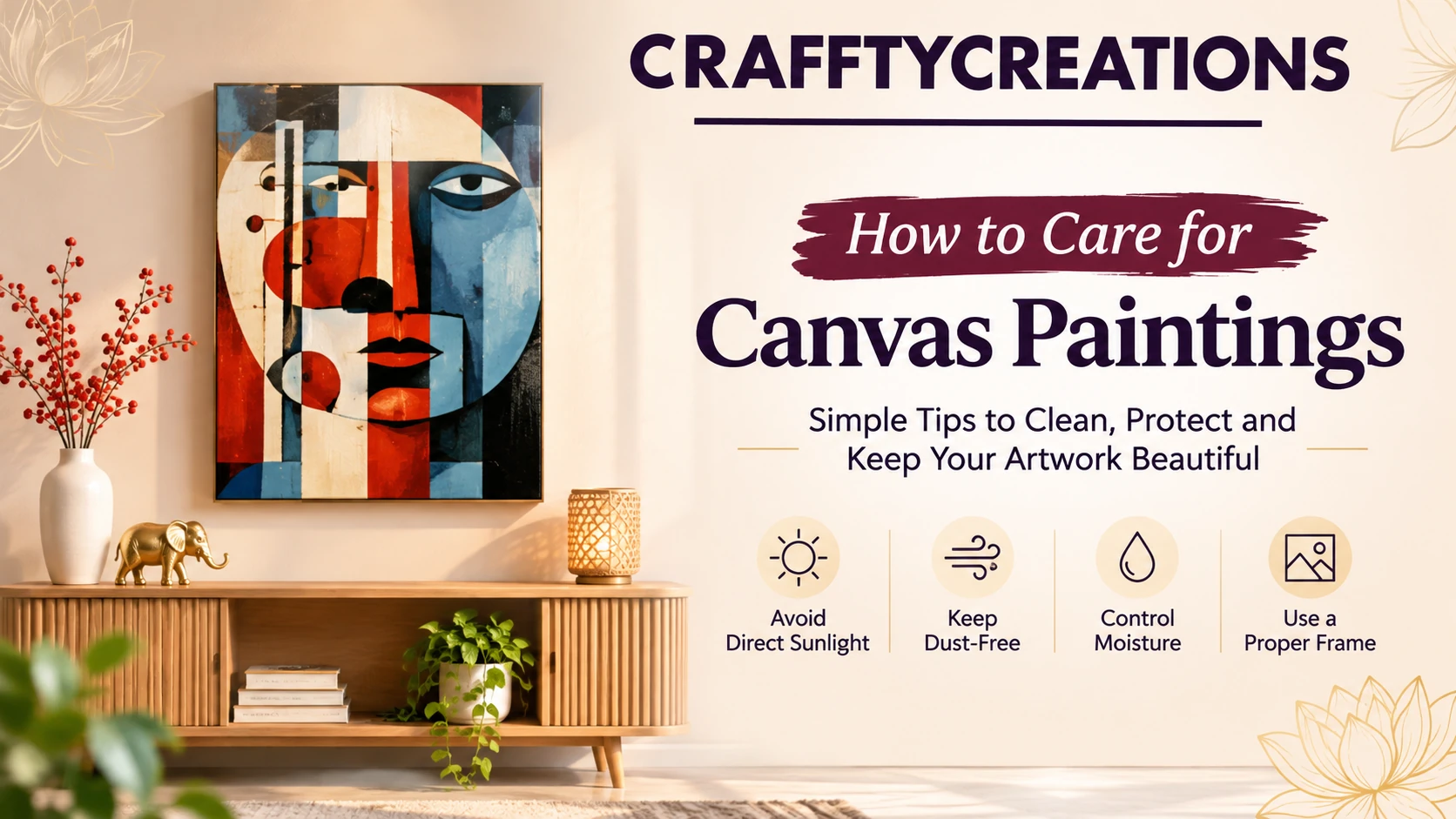
How to Preserve Pichwai Painting for Long-Lasting Beauty
Traditional Indian artwork brings history, craftsmanship and character into a home. A Pichwai Painting is admired for its intricate patterns, rich colours and devotional imagery associated with Shrinathji, lotus flowers, sacred cows and peacocks. With the right display and care routine, you can help preserve its appearance and enjoy its beauty for years.
Whether your artwork is displayed in a living room, prayer area or private collection, preservation starts with a few simple habits. Avoid harsh cleaning methods, control the surrounding environment and handle the artwork carefully whenever you move or store it.
Why Proper Care Matters for Pichwai Painting
Pichwai art is known for intricate patterns and carefully arranged details. Depending on the piece, the surface may be cloth, canvas, paper or another material, and each requires appropriate handling. Dust, direct sunlight, moisture and rough contact can affect the surface over time.
Proper care helps maintain the visual appeal of Pichwai Painting while reducing the risk of preventable damage. Before cleaning or framing your artwork, check any care instructions provided by the seller or artist. If the piece is antique, fragile, hand-painted or valuable, consult a professional art conservator before attempting any treatment yourself.
Keep Pichwai Painting Away from Direct Sunlight
Strong sunlight can gradually fade pigments and may weaken some materials. Choose a wall that receives indirect light rather than placing the artwork opposite a sunny window. If the room gets intense afternoon sun, use curtains or blinds to reduce exposure.
Artificial lighting can also affect artwork when it is too bright or produces heat. Use suitable low-heat lighting and avoid placing lamps or spotlights very close to the surface. When displaying Pichwai Painting, consider how sunlight moves through the room during the day, not just how the wall looks when you first hang it.
Protect the Artwork from Dust and Moisture
Dust can settle into detailed areas and become difficult to remove. Keep the display area clean, and avoid hanging the artwork near cooking fumes, fireplaces, bathrooms or places where moisture levels change frequently. Do not spray room freshener, perfume, polish or cleaning products near the artwork.
Humidity is another concern, particularly for textile-based art. Damp conditions may encourage mould, staining or distortion, while very dry conditions can affect some materials. Choose a well-ventilated indoor space and investigate any signs of dampness on the wall before hanging your Pichwai Painting.
| Common risk | Possible effect | Recommended precaution |
|---|---|---|
| Direct sunlight | Gradual fading or colour changes | Display away from strong direct light |
| Moisture and humidity | Mould, stains or material distortion | Choose a dry, well-ventilated wall |
| Dust buildup | Dull appearance and particles in details | Keep the surrounding area clean |
| Sprays and chemicals | Surface marks or damage | Apply household products away from the artwork |
| Rough handling | Creases, scratches or loose components | Hold the frame or support the artwork evenly |
How to Clean Pichwai Painting Safely
Start by checking whether the artwork has a frame or protective glazing. For framed pieces, clean the glass or acrylic according to the frame manufacturer’s instructions, taking care not to let liquid seep behind the frame. Never spray cleaner directly onto the artwork or through the frame opening.
For an unglazed or unframed piece, do not automatically use water, soap, wet wipes or household cleaning solutions. These can stain, spread dirt or damage delicate paint and fibres. If the artist or seller confirms that light dusting is suitable, use a clean, very soft brush with minimal pressure and work carefully without rubbing the surface. Stop immediately if you notice loose pigment, flaking, threads or other signs of damage.
A valuable or fragile Pichwai Painting should be assessed by a qualified conservator if it needs more than gentle surface care. Avoid home remedies, adhesive tape, stain removers and attempts to repair peeling paint yourself. Careful handling is safer than experimenting with cleaning products that may cause permanent marks.
Choose the Right Display Location
Select a stable wall away from direct sunlight, water sources, heavy traffic and frequent temperature changes. Make sure the hanging hardware is suitable for the frame’s weight and securely fixed. If the artwork is large, use appropriate support so that it does not tilt or fall.
Framing can help protect certain artworks from dust and accidental contact, but the materials and method matter. Ask a knowledgeable framer about archival-quality materials, suitable backing and whether glazing is appropriate for your specific piece. The frame should protect the artwork without pressing against delicate painted or textured areas.
When arranging Pichwai Painting in a modern interior, choose a clean background and balanced lighting so the detailed artwork remains the focal point. Avoid placing it close to frequently opened windows, kitchen areas or locations where people may accidentally brush against it.
| Display or storage choice | Why it helps | What to check |
|---|---|---|
| Indirect lighting | Reduces prolonged exposure to strong light | Watch for changing sunlight throughout the day |
| Stable indoor wall | Limits moisture and temperature fluctuations | Check for leaks or damp patches |
| Suitable framing | Adds a barrier against dust and contact | Use materials appropriate for the artwork |
| Protective storage | Reduces accidental damage when not displayed | Keep the piece dry and properly supported |
Storage Tips for Preserving Traditional Artwork
If you need to store a Pichwai Painting, first make sure it is clean and completely dry. Do not fold a textile artwork, as creases can cause lasting damage. Rolling may be suitable for some flexible pieces, but it should only be done with appropriate archival materials and guidance for the artwork’s condition. Rigid or fragile works need firm, even support instead.
Store the artwork in a clean, dry place away from sunlight, pests, food and strong odours. Avoid placing heavy objects on top of it, and check the storage area periodically for signs of moisture or insects.
If the artwork has significant age, delicate embellishments or visible damage, ask a conservator about safe packing and storage. These precautions are particularly important when moving the artwork between homes or keeping it packed for an extended period.
Build a Simple Artwork Maintenance Routine
A little attention every few weeks can help you spot problems early. Look for changes in colour, dust, loose frame fittings, damp marks or signs of insects. Clean the surrounding area regularly, but avoid touching the painted surface as part of routine housekeeping.
If you notice mould, a musty smell, peeling, cracking or colour transfer, do not attempt aggressive cleaning. Photograph the issue for reference and seek professional advice. Early assessment can help prevent a small concern from becoming more serious.
Consistent care is especially useful for Pichwai Painting displayed in busy homes, where dust and accidental contact may be more common. A stable location, suitable lighting and careful handling can help maintain the artwork without frequent intervention.
Bring Traditional Art into Your Home with Craffty Creations
Traditional Indian artwork can add cultural depth, colour and visual interest to a room. Pichwai Painting combines intricate decorative details with imagery rooted in India’s artistic and devotional heritage, making it an appealing choice for people who appreciate traditional styles.
Whether you display it on its own or alongside complementary decor, give the piece enough space to be appreciated without crowding it with other objects. Review the product details and any available care guidance before choosing artwork for your home.
Explore the decorative collection at Craffty Creations through the official website: crafftycreations.com.
Contact With Us
Would you like to learn more about our artwork and decorative collection? Contact With Us for assistance.
Phone: +91 9746570175
Email: info@crafftycreations.com
Opening Hours: Monday–Friday, 9:00 AM–5:00 PM
Weekend: Closed
Visit Craffty Creations to explore available artwork and find a piece that suits your home.
Frequently Asked Questions
How often should I clean Pichwai Painting?
Check the artwork periodically for dust or signs of damage. The right cleaning frequency depends on the display environment and the materials used. Avoid frequent contact with the painted surface.
Can I use water to clean Pichwai Painting?
Do not use water unless the artist or a qualified conservator confirms that it is suitable for the specific artwork. Moisture can cause stains or damage some paint and fabric.
Can sunlight damage the colours?
Prolonged direct sunlight can contribute to fading. Display the artwork away from strong sunlight and use curtains or blinds when needed.
Is framing recommended?
Suitable framing may help reduce dust and accidental contact, but the materials and method should match the artwork. Ask a professional framer for advice on backing and glazing.
What should I do if I notice mould or peeling?
Avoid wiping, scraping or applying household products. Keep the area dry and consult a qualified art conservator, particularly if the artwork is valuable or fragile.
Posts Widget
-
1
-
2

-
3

-
4



Payment Methods

Designed and Developed with ❤️ by team seofox.io