
Handmade Pichwai Art Designs for Home Decor: Ideas for Every Space
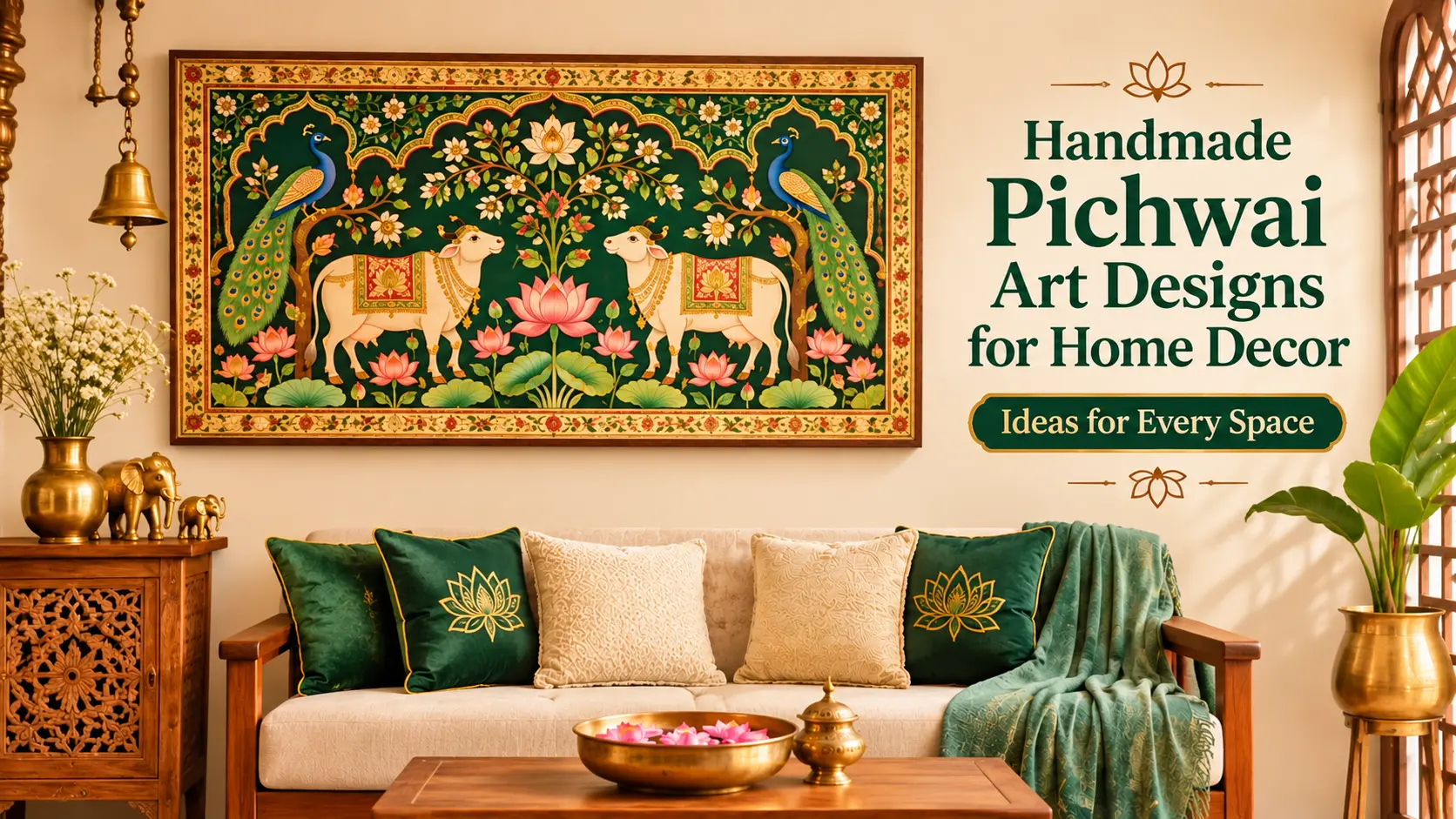
Handmade Pichwai Art Designs: Elegant Home Decor Ideas for Every Space
Handmade Pichwai art designs bring together traditional Indian craftsmanship, devotional storytelling and timeless beauty. Inspired by the artistic heritage of Nathdwara, Rajasthan, Pichwai paintings are known for their detailed patterns, vibrant colours and meaningful motifs, including cows, lotus flowers, peacocks and floral arrangements. These artworks can add warmth, elegance and cultural character to different areas of a home, from living rooms and entrance walls to peaceful prayer spaces. Whether you prefer a traditional interior or a modern decorative style, handmade Pichwai art designs offer creative ways to make your walls more expressive and visually appealing.
1. What Makes Handmade Pichwai Art Designs Special?
Pichwai painting has a rich history connected with the worship of Shrinathji, a form of Lord Krishna. Traditionally, these paintings were created on cloth and displayed behind the deity in temples. Over generations, artists developed distinctive compositions featuring religious figures, natural elements and intricate decorative details.
What makes handmade Pichwai art designs special is the attention given to every part of the artwork. Artists carefully arrange figures, flowers, borders and patterns to create a balanced composition. The process requires patience, precision and an understanding of traditional motifs.
Unlike ordinary printed wall decorations, handmade artwork can reflect the individual approach and skill of the artist. Small variations in linework, colour application and detailing give each piece its own character. This makes Pichwai-inspired paintings an attractive choice for people who want to introduce traditional Indian art into their interiors.
2. Popular Pichwai Motifs for Beautiful Home Interiors
The motifs used in Pichwai paintings are inspired by nature, spirituality and Indian culture. Choosing the right design can help create a particular mood in your room.
Lotus Motifs for an Elegant Look
Lotus flowers are among the most recognisable elements in Pichwai art. They are commonly associated with purity, beauty and spiritual growth. A lotus-themed painting can create a graceful focal point in a living room, bedroom or meditation corner.
You can choose compositions with a single prominent lotus or elaborate floral arrangements. Pink, red, white and green shades work well with neutral walls and natural wooden furniture.
Cow Motifs for Traditional Charm
A Pichwai painting of cow is especially popular among people who appreciate Krishna-inspired artwork. Cows are closely associated with Krishna’s pastoral stories and are often used to represent care, abundance and devotion.
These paintings can look beautiful in an entrance area, living room or prayer space. Detailed cow figures surrounded by lotus flowers and decorative borders can add a distinctive traditional touch to your home.
Floral and Peacock Designs
Floral patterns and peacock motifs bring colour and movement into an interior. They can complement traditional furniture as well as contemporary decorative elements. These designs are suitable for feature walls, hallways and spaces that need a colourful artistic highlight.
The right combination of motifs can make handmade Pichwai art designs both meaningful and visually attractive.
3. Choosing Pichwai Artwork for Different Areas of Your Home
Every room has a different purpose, so the artwork should complement its atmosphere, available wall space and existing furniture.
| Home space | Recommended Pichwai design | Styling suggestion |
|---|---|---|
| Living room | Large lotus, cow or Shrinathji composition | Place above the sofa or on a main feature wall |
| Entrance | Cow or floral motif | Choose a balanced design that welcomes visitors |
| Prayer room | Devotional Pichwai painting | Place in a clean, peaceful and respectful setting |
| Bedroom | Soft floral or lotus composition | Select gentle colours that complement the room |
| Hallway | Smaller traditional artwork | Use a framed piece to create an attractive visual point |
Living Room
The living room is often the best place to display a statement painting. A large Pichwai composition can become the centre of attention, especially when placed above a sofa or console table. Choose colours that coordinate with cushions, curtains and furniture.
Entrance and Hallway
The entrance creates the first impression of your home. A smaller painting featuring cows, flowers or traditional patterns can make this space feel welcoming. In a narrow hallway, avoid oversized artwork that makes the area appear crowded.
Prayer and Meditation Spaces
Pichwai paintings are closely connected with devotional traditions, making them suitable for prayer spaces. Choose a design that reflects your personal preferences and complements the arrangement of your prayer area. Keep the surroundings uncluttered so the artwork remains easy to appreciate.
4. Framing, Placement and Lighting Tips
The way you display a painting can significantly influence its appearance. A suitable frame protects the artwork while helping it blend with your interior design.
Traditional wooden frames can complement classic Pichwai compositions, while simple metallic or neutral frames may work well in contemporary homes. Select a frame that supports the colours and details without overpowering the painting.
Placement is equally important. Hang artwork at a comfortable viewing height and allow enough surrounding space so the design does not compete with nearby decorations. For a gallery-style arrangement, combine smaller paintings with consistent spacing and complementary frames.
Lighting can make fine details more visible. Soft, indirect lighting is generally a good option because prolonged exposure to strong direct sunlight may cause colours to fade. Avoid placing paintings near damp walls, heat sources or areas with frequent temperature changes.
5. Traditional and Modern Home Decor Combinations
One of the advantages of handmade Pichwai art designs is their ability to complement different interior styles. You do not need an entirely traditional home to display these paintings beautifully.
| Interior style | Suitable Pichwai artwork | Suggested colour combination |
|---|---|---|
| Traditional Indian | Detailed cow or Shrinathji painting | Red, gold, green and earthy shades |
| Modern minimalist | Simple lotus or floral composition | White, beige and muted green |
| Contemporary luxury | Elaborate painting with decorative detailing | Gold, cream and deep blue |
| Natural or rustic | Nature-inspired Pichwai design | Terracotta, brown and olive green |
| Eclectic interiors | Colourful peacock or floral artwork | Complementary colours from existing decor |
For a traditional interior, pair Pichwai paintings with wooden furniture, brass accessories, handcrafted textiles and warm lighting. These elements create a coordinated look without taking attention away from the artwork.
For a modern home, use a single painting against a neutral wall. White, beige and light grey backgrounds can help detailed artwork stand out. You can also introduce traditional motifs through cushions, rugs or decorative objects for a balanced combination.
6. What to Consider Before Buying Pichwai-Inspired Artwork
Before purchasing artwork, consider more than its colour and appearance. The following factors can help you choose a piece that suits your home and expectations.
Design and subject: Decide whether you prefer lotus flowers, cows, peacocks, Shrinathji or a nature-inspired composition. Choose a subject that fits the intended room.
Size and proportions: Measure your wall before buying. A painting should complement the available space rather than make it feel crowded or empty.
Materials and finish: Check the surface, colours, frame and finishing details. Ask whether the artwork is hand-painted, printed or inspired by traditional Pichwai designs.
Craftsmanship: Look closely at the outlines, patterns, colour application and overall composition. If the artwork is described as handmade, check the product information for details about its creation.
Maintenance: Consider where you will display the painting and whether the material is suitable for that environment. Follow the seller’s care instructions.
Understanding these details helps you select handmade Pichwai art designs that suit your decorative preferences and offer lasting visual appeal.
7. Explore Pichwai Art Products for Your Home
If you want to bring traditional Indian artwork into your interiors, explore the painting collection at Craffty Creations. The website features a Pichwai Painting among its listed products, along with other decorative canvas and wall-art options. Browse the available styles and review the product details, dimensions and finish before making a purchase.
You can also explore the broader world of Pichwai through our Pichwai art guide, which introduces the traditional painting style, its motifs and creative possibilities. This can help you understand the artistic background before choosing a design for your home.
CTA 1: Discover Traditional Art for Your Home
Looking to add colour, culture and creativity to your walls? Explore the painting collection at Craffty Creations and discover decorative artwork that complements your home.
Visit: https://crafftycreations.com/
8. Keep Your Pichwai Artwork Beautiful with Proper Care
Once you have selected your painting, a few simple precautions can help maintain its appearance.
Keep the artwork away from direct sunlight, excessive humidity and damp surfaces. Dust the frame gently with a soft, dry cloth. Avoid using water or chemical cleaning products on painted areas unless the manufacturer specifically recommends them.
If your painting is framed behind glass, clean the glass carefully without allowing liquid to enter the frame. For delicate or valuable handmade works, consult a professional before attempting repairs or deep cleaning.
Regularly check the hanging arrangement to ensure that the painting remains secure. These simple steps can help preserve your artwork and allow you to enjoy its details for years.
Conclusion
Handmade Pichwai art designs offer a beautiful way to combine traditional Indian artistry with modern home decoration. From lotus and floral compositions to cow-themed paintings, these artworks can bring cultural character and visual interest to living rooms, entrances, bedrooms and prayer spaces.
By considering the subject, size, framing, placement and craftsmanship, you can select artwork that complements your interiors and personal style. Explore the painting collection at Craffty Creations to discover decorative options inspired by traditional Indian art and bring a distinctive artistic touch to your home.
CTA 2: Find Artwork That Complements Your Space
Give your walls a meaningful decorative touch with traditional and contemporary-inspired paintings. Visit Craffty Creations to explore the available collection.
Website: https://crafftycreations.com/
Email: info@crafftycreations.com
Phone: +91 9746570175
Frequently Asked Questions
1. What are handmade Pichwai art designs?
Handmade Pichwai art designs are artworks inspired by the traditional devotional paintings of Nathdwara, Rajasthan. They commonly feature Shrinathji, cows, lotus flowers, peacocks and decorative natural patterns.
2. Which Pichwai painting is suitable for a living room?
Large lotus compositions, cow-themed paintings and detailed traditional scenes can work well in living rooms. Select a size and colour palette that complements your furniture and wall space.
3. Is a Pichwai painting of cow suitable for an entrance?
Yes. A cow-themed Pichwai painting can add a traditional and welcoming touch to an entrance. Choose a size that fits the available wall space.
4. How do I style Pichwai paintings in a modern home?
Display one statement artwork against a neutral wall, use a simple frame and coordinate its colours with existing furniture or accessories. Avoid overcrowding the surrounding area.
5. How should I maintain Pichwai wall art?
Keep it away from direct sunlight and moisture. Dust the frame gently and follow the care instructions for the painting material. Seek professional advice for delicate handmade artwork.
Posts Widget
-
1
-
2

-
3
-
4


Payment Methods

Designed and Developed with ❤️ by team seofox.io