
Pichwai Painting: Discover the Art of Collecting Traditional Indian Masterpieces
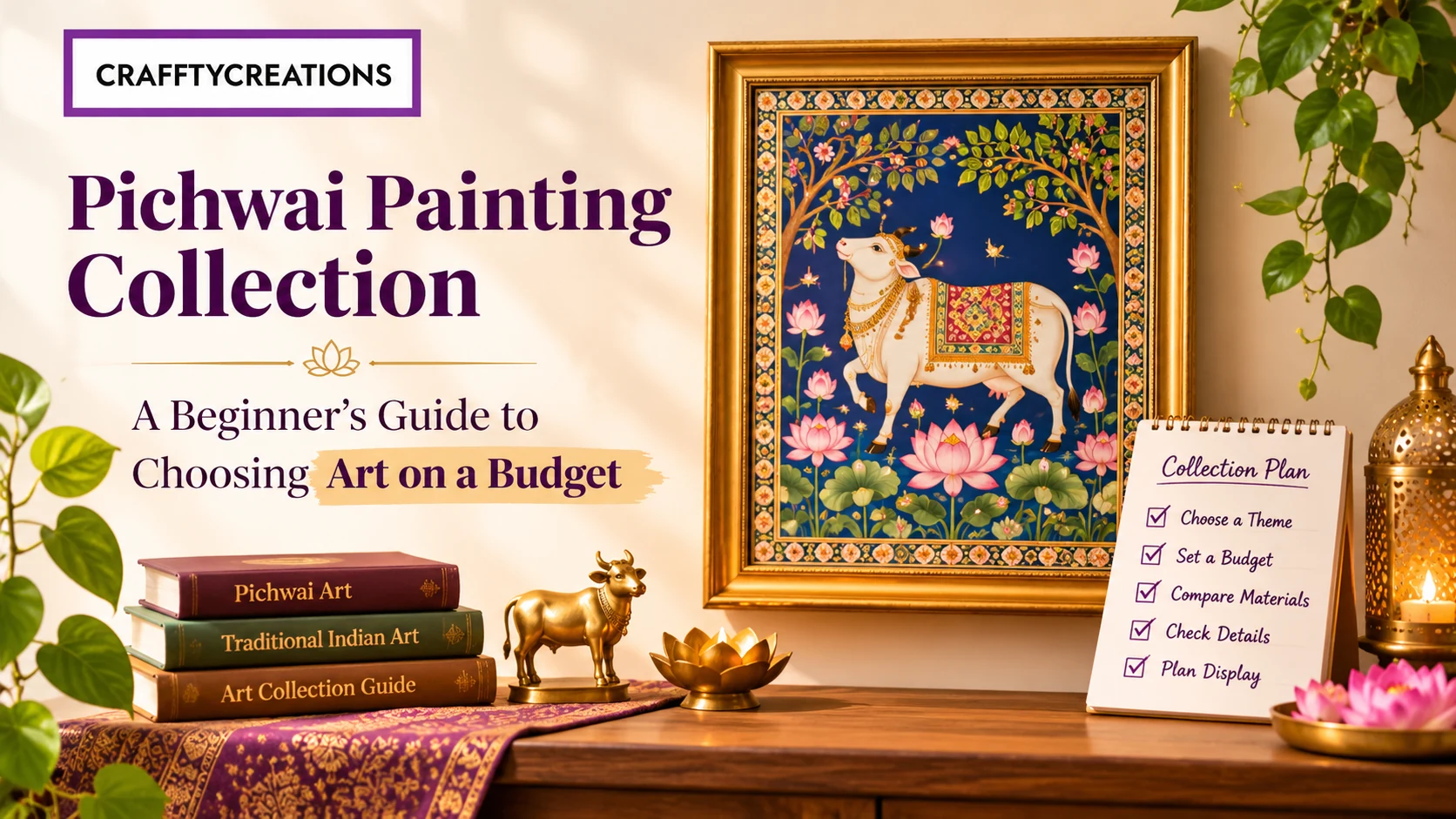
Pichwai Painting Collection: A Beginner’s Guide to Choosing Art on a Budget
Starting an art collection does not always mean purchasing several expensive pieces at once. A thoughtful collection can grow gradually, with each artwork selected for its subject, visual appeal, materials and personal meaning. For people drawn to traditional Indian art, a Pichwai painting can be a meaningful starting point because its devotional themes, decorative details and rich visual language offer many directions to explore.
Before choosing your first Pichwai painting, decide what you want your collection to represent. You may be interested in devotional imagery, traditional motifs, detailed compositions or artwork that connects with your appreciation of Indian heritage. A clear purpose makes it easier to compare options and avoid buying pieces simply because they are available or on sale.
This beginner-friendly guide explains how to plan a collection, set a realistic budget, compare artwork and build a group of pieces that feels considered rather than crowded.
1. Choose a Pichwai Painting Theme That Reflects Your Interests
A Pichwai painting collection becomes more meaningful when it has a central idea. Some collectors focus on devotional subjects associated with Shrinathji, while others are drawn to lotus patterns, cows, floral borders or the intricate decorative elements found in traditional compositions. You do not need to choose only one subject, but having a starting theme can make your decisions easier.
Think about why you want a Pichwai painting in your collection. It may be a personal interest in traditional art, a connection to devotional imagery or an appreciation of detailed hand-painted styles. Write down two or three qualities that matter most to you. These could include subject, colour palette, technique, size or the story represented by the artwork.
2. Set a Realistic Budget for Your Pichwai Painting Collection
A budget helps you compare Pichwai painting options with a clear idea of what is comfortable to spend. Decide on an overall amount for your first purchase and keep a separate allowance for framing, delivery or installation if those costs apply. Avoid treating a discount as a reason to buy something that does not suit your interests.
The cost of a Pichwai painting can vary according to dimensions, materials, technique, detailing, framing and the seller’s description. Rather than assuming that a higher price always means better quality, compare the information provided for each piece. If important details are missing, ask the seller before making a decision.
| Budget consideration | What to plan |
| Artwork price | Set a maximum amount before browsing |
| Framing | Check whether framing is included or separate |
| Delivery | Confirm shipping charges and packaging details |
| Display preparation | Consider suitable hanging hardware or professional help |
| Future purchases | Keep some budget available for later additions |
A planned budget can help you build a Pichwai painting collection steadily instead of making several unplanned purchases.
3. Compare Pichwai Painting Materials and Techniques
A Pichwai painting can differ in its support, surface, technique and finish. Traditional textile works, contemporary canvas interpretations, prints and mixed-media pieces should not be assumed to be identical. Read the product description carefully and look for clear information about what you are purchasing.
When comparing a Pichwai painting, check whether the seller identifies the work as hand-painted, printed, embroidered or created using a combination of methods. Ask about the surface and support if these details are not stated. Product photographs can show visible details, but they may not establish the full construction or technique.
It is also useful to ask whether the artwork comes framed, whether the image shown represents the exact piece and whether any care instructions are supplied. Clear answers make it easier to compare products fairly.
4. Build a Cohesive Pichwai Painting Collection
A collection does not need to contain identical artworks. It can feel cohesive through a shared subject, colour family, artistic style or visual detail. For example, you might begin with one devotional composition and later select another work with related decorative elements. Alternatively, you may prefer a collection that explores different motifs while retaining a traditional visual character.
Before adding another Pichwai painting, consider how it relates to the pieces you already own. Does it introduce a new subject, complement an existing colour palette or add a different format? A little variation can make a collection interesting, while a clear connection helps it feel intentional.
| Collection direction | Details you might compare |
| Devotional theme | Subject, central figure and associated visual elements |
| Floral theme | Lotus forms, foliage, borders and colour combinations |
| Traditional motifs | Cows, ornamentation and decorative patterns |
| Colour-led collection | Dominant shades and contrast between artworks |
| Technique-led collection | Hand-painted, printed, textile or mixed-media format |
Use these categories as planning ideas, not as strict rules. Your collection should reflect your own interests rather than follow a fixed formula.
5. Check Pichwai Painting Details Before Purchasing
A product photograph is a useful first step, but it should not be the only information you use. Review the dimensions, materials, finish, framing details and seller-provided description. If the listing includes several photographs, look closely at the overall composition and any close-up views of the surface.
When considering a Pichwai painting online, check whether the displayed image is a product photograph or an illustrative representation. Ask for clarification if the exact size, technique or included accessories are unclear. You can also confirm the return policy, delivery estimates and how the artwork will be packed.
A useful buying decision comes from understanding both the visual appeal and the practical details. Keep the product description or order confirmation so that you can refer to the stated materials and care information later.
6. Start Your Pichwai Painting Collection with One Meaningful Piece
There is no need to complete a collection quickly. Beginning with one carefully chosen Pichwai painting gives you time to understand what you enjoy about the artwork. You can observe its details, learn about its materials and decide what kind of piece you would like to add next.
After living with the first artwork for a while, note what you appreciate most. Perhaps you prefer intricate borders, a particular subject or a specific colour combination. These observations can guide your next purchase and help prevent your collection from becoming a random group of unrelated items.
7. Plan Display and Long-Term Care for Your Pichwai Painting
Even when your main goal is collecting, it is worth considering how each piece will be displayed and maintained. Check the artwork’s dimensions against the space available and avoid placing delicate pieces in direct sunlight or damp areas. The right display approach depends on the materials and condition of the work.
Before purchasing another Pichwai painting, consider whether you have a suitable place to keep it. If you are unsure how to frame, handle or store a delicate artwork, ask the seller for care guidance or consult a qualified conservator. Do not assume that every textile, canvas or printed piece needs the same treatment.
8. Keep a Record of Every Pichwai Painting in Your Collection
A collection record helps you remember what you own and what you know about each piece. Save the product description, seller information, purchase date, dimensions, stated materials and any care instructions. Keep invoices and condition photographs where appropriate.
For every Pichwai painting you add, record why you selected it. You might note its subject, technique, decorative details or the reason it fits your collection theme. This simple habit can make future comparisons easier and help you avoid buying very similar pieces unintentionally.
9. Where to Find a Pichwai Painting and Product Information
Take time to review the artwork category, product description and available photographs before making a purchase. If you are exploring options through Craffty Creations, review the available product information and contact the team if you need clarification about a particular item. The website features a Pichwai painting in its product range, but you should confirm current availability and product-specific details directly before ordering.
Do not rely on a title alone to understand an artwork. Ask questions about the format, dimensions, materials, framing and delivery arrangements. This is especially helpful when buying online, where you cannot inspect the surface in person.
Frequently Asked Questions
1. How should a beginner start a Pichwai art collection?
Begin by choosing a subject or visual style that interests you, setting a comfortable budget and comparing product details. Start with one piece that you understand and appreciate rather than purchasing several artworks at once.
2. Is a printed artwork the same as a hand-painted Pichwai painting?
No. Printed and hand-painted works are different formats and may involve different materials and processes. Check the seller’s description and ask for clarification if the technique is not clearly stated.
3. What should I check before buying Pichwai artwork online?
Review the dimensions, materials, technique, framing, photographs, delivery information and return policy. Ask the seller about any details that are missing or unclear before placing an order.
4. Can I build a collection around one theme?
Yes. You can select works connected by devotional subjects, floral motifs, traditional patterns, colour palettes or artistic techniques. A shared theme can help the collection feel cohesive while still allowing variety.
5. How can I protect the artwork after purchasing it?
Follow the care instructions provided for the specific piece. In general, avoid unnecessary handling, direct sunlight and damp storage conditions. Seek professional advice if the artwork is fragile or its materials require specialist care.
Contact With Us
Building an art collection is a personal journey. Take time to explore the details, compare the available information and choose artwork that reflects your interests. If you would like to enquire about a Pichwai painting or need more information about a product listed with Craffty Creations, contact our team.
Contact With Us
Phone: +91 9746570175
Email: info@crafftycreations.com
Opening Hours: Monday–Friday, 9:00 AM–5:00 PM
Weekend: Closed
Visit our Website for Details: https://crafftycreations.com/
Posts Widget
-
1
-
2

-
3
-
4



Payment Methods

Designed and Developed with ❤️ by team seofox.io