
Pichwai Art Kit: Explore Traditional Pichwai Painting, Designs and Creative Ideas
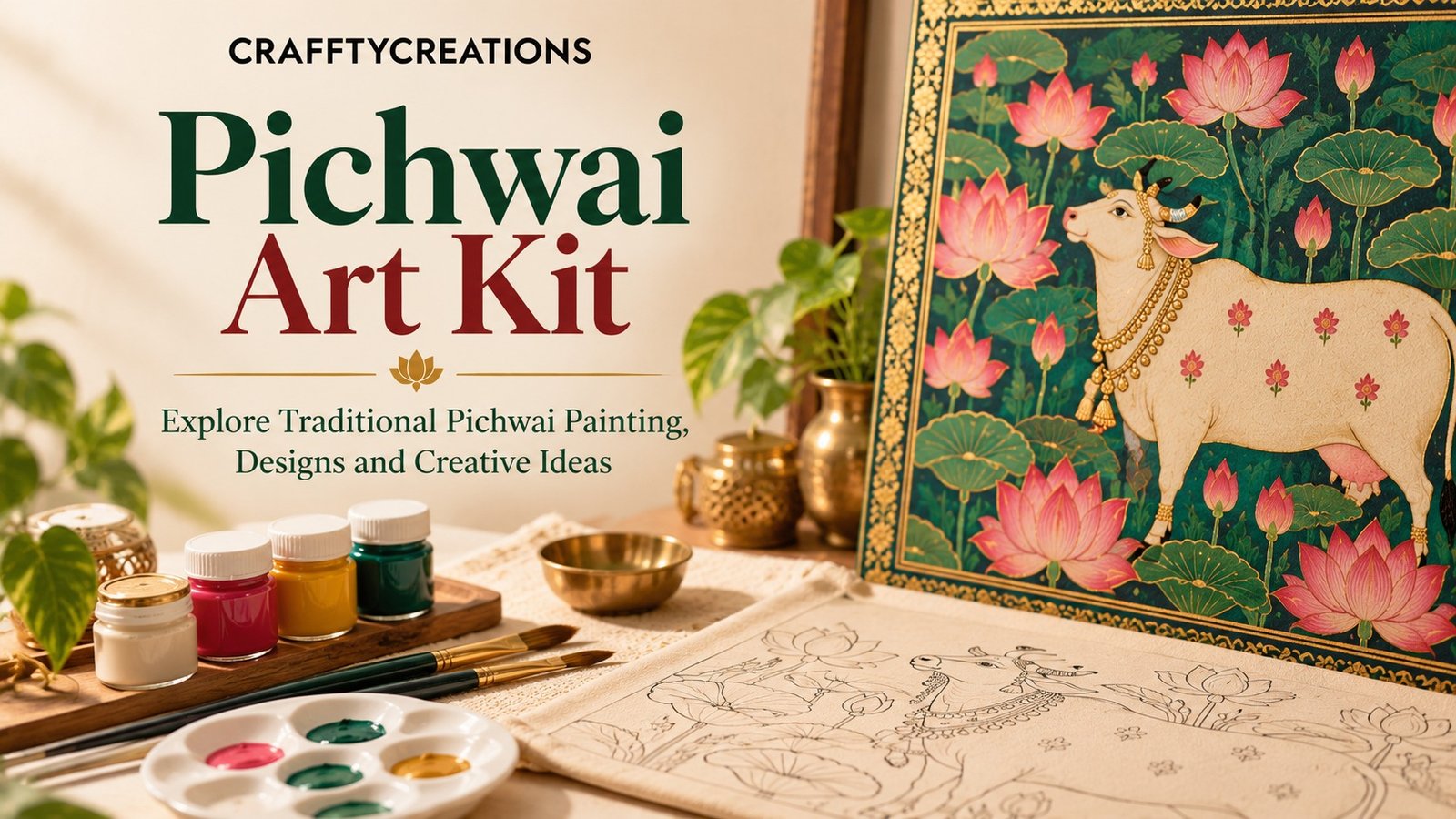
Discover the Beauty of Pichwai Art Kits and Traditional Pichwai Painting Designs
Pichwai art is a beautiful expression of Indian artistic heritage, known for its intricate lotus flowers, graceful cows, rich colours and detailed compositions inspired by the devotional traditions of Rajasthan.Whether you appreciate traditional Indian paintings, enjoy exploring handmade artwork or want to discover a new creative activity, Pichwai art offers a wonderful combination of culture, beauty and artistic expression. A Pichwai art kit can be an appealing starting point for people who want to explore this distinctive art style through a guided creative experience.
At Craffty Creations, traditional Indian art provides inspiration for discovering creative possibilities and appreciating the details that make each design distinctive. From lotus-inspired compositions to traditional Pichwai painting designs featuring cows and floral patterns, this art form offers ideas for art enthusiasts, beginners and people who appreciate Indian-inspired decor. Understanding its origins, motifs, colours and techniques can help you appreciate Pichwai art more deeply and choose designs that suit your interests.
In this guide, we explore the history of Pichwai painting, the meaning behind its popular motifs, different design ideas, the role of a Pichwai art kit and practical considerations for anyone interested in exploring this traditional art form.
What Is Pichwai Art?
Pichwai art is a traditional Indian painting style associated with Nathdwara in Rajasthan. Historically, Pichwai paintings were created on cloth and displayed behind the image of Shrinathji, a form of Lord Krishna worshipped in the Pushtimarg tradition. These artworks were designed for devotional settings and often reflected religious stories, seasonal changes and important festivals.
The word Pichwai is commonly understood to refer to something that hangs behind. This meaning reflects the original purpose of the artwork as a painted backdrop in a temple setting. Over time, Pichwai paintings became admired for their elaborate detailing, carefully arranged figures, decorative borders and rich visual storytelling.
Traditional Pichwai painting is recognised for recurring motifs such as lotus ponds, decorated cows, peacocks, trees and depictions connected with Krishna. Artists bring these elements together to create compositions that communicate devotion while demonstrating remarkable attention to detail.
Today, Pichwai-inspired designs can also be found in contemporary paintings, decorative objects, prints and creative art projects. Although modern adaptations may use different materials and simplified compositions, the traditional motifs continue to influence their appearance.
The History and Cultural Significance of Traditional Pichwai Painting
The origins of Pichwai painting in Nathdwara
Pichwai painting developed around the devotional culture of Nathdwara, a town in Rajasthan associated with the worship of Shrinathji. The tradition flourished from the seventeenth century, when Nathdwara became an important centre for Krishna worship and artistic patronage.
The paintings were not originally intended simply as decorative wall art. They formed part of the visual environment surrounding temple worship. Artists created elaborate cloth backdrops that could reflect particular occasions, seasons and devotional themes.
The compositions required careful planning, from the placement of central figures to the smallest flowers, leaves and ornamental details. Over generations, artists developed distinctive ways of representing familiar subjects, helping preserve the identity of this traditional art form.
Art that combines devotion and craftsmanship
One of the most interesting features of traditional Pichwai painting is the relationship between its visual beauty and cultural meaning. The artwork communicates through more than colour and decoration. Its figures, plants and animals often connect with stories and beliefs associated with Krishna.
The lotus can represent purity and spiritual beauty, while cows are closely associated with Krishna’s identity as a protector of cattle. Peacocks and flowering trees can evoke the natural landscapes connected with Krishna’s stories.
Learning about these associations helps viewers understand why particular elements appear repeatedly in Pichwai painting designs. It also encourages a deeper appreciation of the artistic decisions behind each composition.
Traditional techniques have included preparing cloth surfaces, sketching outlines, applying pigments and building up fine details with careful brushwork. Contemporary artists and makers may use different materials and processes, so not every Pichwai-inspired artwork should be assumed to follow the same traditional methods.
Popular Pichwai Painting Designs to Explore
Pichwai art includes a variety of subjects, from detailed devotional compositions to floral arrangements that highlight the beauty of nature. Exploring different themes can help you discover the style that best matches your artistic interests.
1. Lotus Pichwai painting
The lotus is one of the most recognisable motifs in Pichwai art. Its layered petals, rounded leaves and graceful stems provide opportunities for intricate patterns and balanced compositions.
A lotus Pichwai painting may feature a pond filled with blooming flowers, repeating floral motifs or a central arrangement surrounded by decorative foliage. Pink, white, red and green are common colour choices in lotus-inspired designs, while darker backgrounds can make the flowers stand out.
Lotus designs can appeal to people who appreciate botanical artwork and traditional Indian patterns. A simple composition featuring a few flowers can provide a useful introduction to the style, while more elaborate arrangements allow room for detailed petals, overlapping leaves and ornamental borders.
When exploring Pichwai lotus art designs, pay attention to the shape of each flower, the spacing between motifs and the relationship between the background and foreground. These details contribute to the visual balance of the finished composition.
2. Pichwai painting of cow
Cows are another important subject in traditional Pichwai art because of their association with Krishna. Many compositions portray decorated cows in peaceful settings, surrounded by flowers, trees or other elements of nature.
A Pichwai painting of cow may feature a single cow, a cow and calf, or a group of cows arranged in a repeating pattern. Artists often emphasise the animals’ eyes, horns, ornaments and body markings to give each figure a distinctive appearance.
The surrounding details are equally important. Lotus flowers, foliage, decorative jewellery and carefully designed borders can transform a simple animal motif into a detailed traditional composition.
If you are selecting a cow-themed design, consider whether you prefer a central animal portrait or a more elaborate scene with multiple figures. Both approaches can express the visual character of Pichwai art while offering different levels of detail.
3. Pichwai painting with cow and lotus
A Pichwai painting with cow and lotus combines two familiar motifs in a single composition. The cows provide a strong visual focus, while lotus flowers introduce colour, rhythm and decorative detail.
Some designs place cows among lotus-filled ponds, while others use flowers as a border around the main figures. The choice of background can influence the mood of the artwork. Deep green and blue backgrounds can create contrast, while lighter shades can give a composition a softer appearance.
These designs are especially interesting because they require the artist to balance different shapes. The rounded forms of lotus flowers must work alongside the contours of the animals, decorative elements and background foliage.
For a beginner-friendly interpretation, a composition with one cow and a few large lotus flowers may be easier to approach than a crowded scene containing numerous small details. More advanced designs can introduce repeating flowers, intricate ornaments and multiple figures.
4. Floral and nature-inspired Pichwai art
Although lotus flowers and cows are especially recognisable, nature-inspired Pichwai compositions can include trees, leaves, flowering branches, peacocks and other decorative elements.
These details help create the atmosphere of the scene and frame the central subject. Repeated leaves and flowers can also create symmetry, which is useful when planning a decorative design.
Nature-inspired compositions are worth exploring if you enjoy patterns, botanical illustration or traditional motifs but prefer a design without many human figures. They can also provide inspiration for contemporary art projects that adapt traditional visual elements.
5. Contemporary Pichwai painting designs
Modern interpretations of Pichwai art may simplify traditional compositions or use familiar motifs in new ways. For example, an artist might focus on a single cow, create a geometric lotus arrangement or use a limited colour palette.
These approaches can make the style more accessible to different tastes while retaining elements of its visual identity. However, contemporary adaptations should be distinguished from traditional devotional Pichwai paintings, which have specific cultural and historical roots.
When choosing a design, consider the purpose of the artwork, the materials involved and whether you want a traditional composition or a modern interpretation inspired by Pichwai art.
What Is a Pichwai Art Kit?
A Pichwai art kit is a creative product intended to help people explore Pichwai-inspired artwork through a guided or prepared activity. Depending on the particular product, it may contain a design surface, paints, brushes, drawing outlines or other materials needed for the project.
The exact contents and level of guidance vary between kits. Some products may focus on a pre-designed composition, while others may give users more freedom to develop their own artwork. It is therefore important to read the product description before purchasing to understand what is included and what additional supplies may be required.
Who can explore a Pichwai art kit?
Beginners: A kit with a clear design and suitable instructions may help beginners become familiar with basic shapes, colours and decorative patterns.
Art enthusiasts: People who already enjoy painting can explore Pichwai-inspired motifs and experiment with different colour combinations.
Creative hobbyists: Anyone interested in learning about Indian art traditions may enjoy a structured project that combines creative practice with cultural discovery.
Gift shoppers: An art kit may be worth considering as a gift for someone who enjoys painting and creative activities, provided the product matches their experience level and interests.
Before choosing a kit, check its recommended age range, included materials, instructions, project dimensions and any preparation requirements. These details will help you decide whether it suits your intended use.
Materials and Tools Used for Pichwai Painting
The materials used in traditional Pichwai painting can differ from those used in modern art kits. Traditional artists have worked with prepared cloth, pigments, fine brushes and other specialised tools. Contemporary projects may use paper, canvas, ready-to-paint surfaces or commercially available paints.
Understanding the role of different materials can help you appreciate the process and prepare for a creative activity.
The painting surface
Traditional Pichwai artworks are commonly associated with cloth. The surface is prepared to support the application of colour and fine detail. Modern Pichwai-inspired projects may use other surfaces, depending on the intended design and the product.
If you are using an art kit, follow the instructions provided for the included surface rather than assuming that it requires the same preparation as a traditional cloth painting.
Colours and pigments
Colour plays an important role in Pichwai compositions. Pink and red flowers, green foliage, blue backgrounds and contrasting decorative details can create a rich visual effect.
Traditional artists have used a variety of pigments and specialised techniques. Modern hobby projects may use acrylics or other paints suited to their surfaces. Choose colours according to the instructions and the appearance you want to achieve.
Brushes and fine detailing
Pichwai painting often includes small decorative elements that require precision. Fine brushes can help create petal outlines, leaf veins, ornaments and borders.
For beginners, it can be useful to practise on scrap paper before painting the main design. Start with larger shapes, allow them to dry as needed and then add smaller details gradually.
How to Choose a Pichwai Art Kit
Choosing a suitable Pichwai art kit involves more than selecting an attractive design. Consider the materials, instructions, complexity and intended outcome before making a decision.
1. Choose a design that interests you
Begin with the motif you enjoy most. Lotus flowers may appeal to people who prefer floral patterns, while cow-themed compositions can introduce familiar elements of traditional Pichwai art. More elaborate designs may be suitable if you enjoy detailed work.
2. Consider your experience level
If you are new to painting, look for a project with manageable details and clear guidance. Experienced hobbyists may prefer compositions with more intricate patterns or opportunities to customise the colours.
Do not assume that every kit is suitable for every age or skill level. Check the manufacturer’s recommendations and product information.
3. Review the included materials
Read the listing carefully to confirm whether paints, brushes, a painting surface and instructions are supplied. If some materials are not included, account for them before starting the project.
The listed contents should be the basis of your purchase decision rather than assumptions based on product photographs alone.
4. Check the instructions and project size
A well-explained project can make it easier to follow the intended sequence of steps. The dimensions of the painting surface also affect the level of detail you can comfortably manage.
Choose a size that suits your available workspace and the time you want to spend on the activity.
5. Think about the finished artwork
Consider whether you want to keep the finished painting, display it, give it as a gift or use it to practise a new technique. Your goal can help determine the most suitable motif, size and level of complexity.
Explore the available product details at Craffty Creations before deciding whether a particular Pichwai art kit meets your needs.
Easy Pichwai Painting Ideas for Beginners
Pichwai-inspired art can be explored through smaller compositions before attempting more elaborate designs. Starting with a simple motif allows you to practise shape, colour and spacing without feeling overwhelmed by intricate details.
A simple lotus composition
Draw a central lotus using a few rows of petals. Add a stem and several rounded leaves, then choose a contrasting background. Once the main shapes are complete, add fine lines to suggest the veins of the leaves and the edges of the petals.
This approach helps beginners practise symmetry and repetition while exploring the floral character of Pichwai art.
A single cow motif
Start with a basic outline of a cow, paying attention to the body, legs, head and horns. Add simple decorative markings and a few flowers around the figure.
Avoid adding too many small ornaments at the beginning. Once the main outline looks balanced, introduce additional details one at a time.
A lotus border
A repeating lotus border is another accessible idea. Sketch flowers of a similar size along the edge of the painting surface, then add leaves or small decorative marks between them.
Repeating motifs can help create a coordinated design and provide useful practice in maintaining consistent spacing.
A cow-and-lotus composition
Once you are comfortable with individual motifs, combine a cow with several lotus flowers. Keep the main figure prominent and use the flowers to frame it without overcrowding the scene.
These easy Pichwai painting ideas are inspired by traditional motifs rather than replacements for the more complex techniques used in historical devotional works.
How to Display Pichwai Art at Home
Pichwai-inspired artwork can complement a variety of interiors, depending on its colours, dimensions and framing. A carefully chosen piece can introduce traditional Indian motifs into a living room, reading corner or dedicated prayer space.
Select a suitable location
Choose a wall where the artwork can be seen comfortably without being crowded by too many competing decorations. A larger composition may work as a focal point, while a smaller piece can complement shelves or other framed artworks.
Coordinate colours thoughtfully
Look at the main colours in the painting and consider how they relate to the surrounding room. Lotus pinks, leafy greens, deep blues and warm decorative accents can be paired with neutral walls or coordinated with existing furnishings.
A balanced display allows the artwork to stand out without making the room feel visually crowded.
Consider framing and maintenance
If the artwork is intended for long-term display, choose an appropriate frame or mounting method for its material. Keep it away from excessive moisture, direct sunlight and other conditions that could cause fading or damage.
Always follow any care instructions supplied with the artwork, particularly when the surface is fabric or uses specialised paints.
Explore Pichwai Art with Craffty Creations
Bring the beauty of traditional Indian art into your creative journey with Craffty Creations. Explore inspiring Pichwai painting designs featuring elegant lotus flowers, decorative cows and intricate traditional motifs. Whether you are looking for a Pichwai art kit or inspiration for your next creative project, we are here to help you find the right option.
Need Help Choosing Your Pichwai Art Kit?
Contact our team for assistance with product details and your queries.
Call Us: +91 9746570175
Email: info@crafftycreations.com
Business Hours: Monday to Friday, 9:00 AM to 5:00 PM. Saturday and Sunday closed.
Discover creative possibilities with Craffty Creations and celebrate the timeless beauty of Pichwai art.
Frequently Asked Questions About Pichwai Art
1. What is a Pichwai art kit used for?
A Pichwai art kit is designed to help people explore Pichwai-inspired painting through a prepared or guided creative activity. Its contents vary by product, so check the listing for details about materials, instructions and the intended skill level.
2. What is the difference between Pichwai art and traditional Pichwai painting?
Traditional Pichwai painting refers to the historical devotional art associated with Nathdwara and the worship of Shrinathji. Contemporary Pichwai-inspired art may adapt its motifs, colours and compositions for modern creative projects or decorative purposes.
3. What are the most popular Pichwai painting designs?
Common themes include lotus flowers, cows, cow-and-lotus compositions, peacocks, trees and devotional scenes connected with Krishna. The choice depends on the artistic style, cultural theme and level of detail preferred by the viewer.
4. Why are lotus flowers used in Pichwai art?
Lotus flowers are important visual motifs in Pichwai compositions and are often associated with purity, beauty and spiritual significance. Their layered petals and repeating forms also allow artists to create intricate, balanced designs.
5. What does a cow represent in Pichwai painting?
Cows are closely connected with Krishna’s role as a protector of cattle. In Pichwai art, they often appear in peaceful landscapes and devotional compositions, with decorative details that emphasise their importance within the scene.
6. Can beginners try Pichwai-inspired painting?
Yes. Beginners can start with simple lotus flowers, floral borders or a single cow motif before attempting more elaborate compositions. A suitable kit may provide a convenient starting point, depending on its instructions and included materials.
7. How can I choose a Pichwai art kit?
Review the design, project size, recommended skill level, materials, instructions and product contents. Select a project that matches your interests and available time, and confirm whether you need to purchase any additional supplies.
8. Can Pichwai-inspired artwork be used as home decor?
Yes. Pichwai-inspired artwork can be displayed in living rooms, creative spaces or prayer areas, depending on its design and intended use. Consider the artwork’s size, colours, framing and care requirements when choosing where to display it.
Posts Widget
-
1

-
2

-
3

-
4



Payment Methods

Designed and Developed with ❤️ by team seofox.io